Trend Watch:
November 2025

Data, culture, creativity. Here’s your monthly guide to what’s going on in the world of marketing.
Welcome to Trend Watch, your monthly take on what matters now and what’s next.
November has landed with a sharp edge.
The UK Budget has set a cautious tone — framed by “necessary choices” and a focus on stability. Tax thresholds remain frozen. A new property tax arrives in 2028. ISA limits, pension perks and gaming duty are adjusted. Meanwhile, the two-child benefit cap is lifted, and energy bills continue to ease. The message? The economy is being reshaped for a slower, steadier recovery.
In the US, the release of the long-withheld Epstein files has reignited cultural debate. And closer to home, a large-scale illegal waste site in Oxfordshire has exposed serious gaps in environmental oversight — and public trust.
But it’s not all heavy. Stranger Things signs off with a cultural mic drop. Wicked splits opinion. And Christmas is already here — with UK markets in full swing and brands racing to own the festive moment before December even begins.
In a world this loud, marketers have one job: say something that matters. Here’s what to watch this month.
The Year Christmas Got Real
Christmas ads have landed — and they’ve brought more than festive cheer. This year’s campaigns are blending big emotions with big realities. Think cost-of-living worries, generational disconnect, and the evolving face of masculinity.
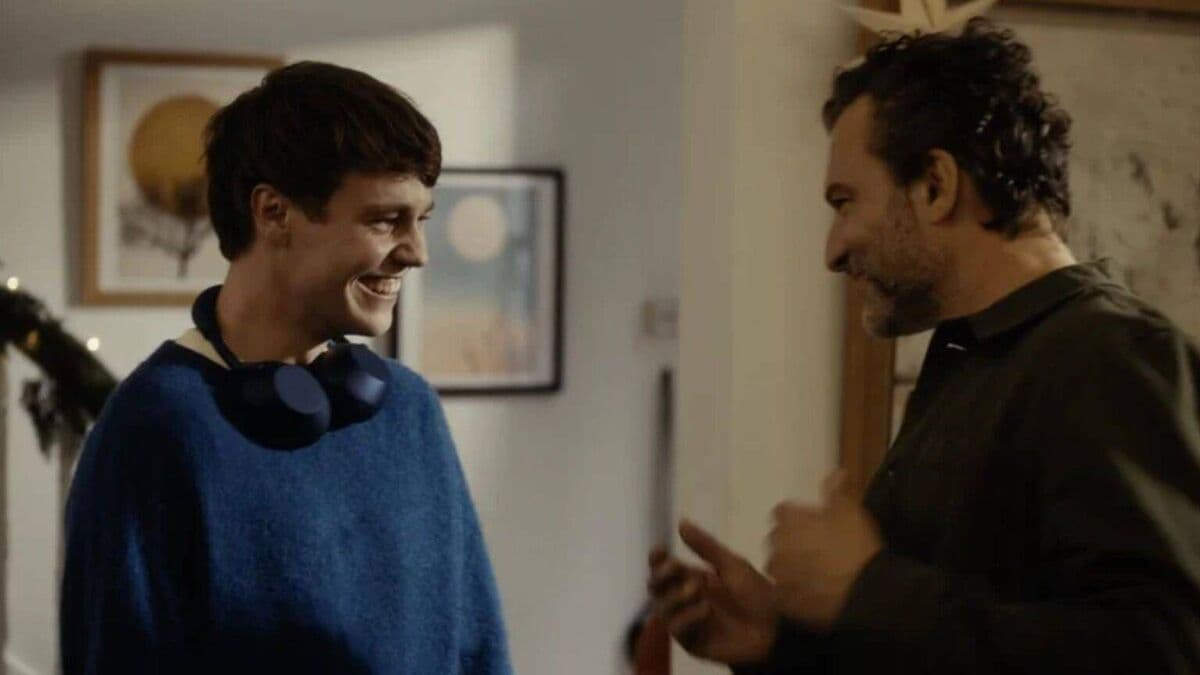
The John Lewis ad sets the tone. Swapping fantasy for feeling, it follows a teenage boy using music to connect with his dad. Emotional awkwardness. A vinyl flashback. A hug. And just like that, a new definition of togetherness. Analysts say it channels Adolescence, one of 2025’s most talked-about shows, but the script was in place long before — showing that some truths are just in the air.
Meanwhile, Asda recruits the Grinch and flips the script: Christmas can be affordable. Lidl and M&S follow suit, pushing kindness over abundance, while fairy godmothers and modest spreads step in for caviar and crystal.
But it’s not all low-key. Sephora brings back big sparkle, with Mariah Carey in full festive flight. The takeaway? We’re getting a split screen of sentiment. Brands are trying to hit the emotional sweet spot — somewhere between escapism and economic reality.
Foresight:
This year’s ads prove one thing: truth cuts deeper than tinsel. The most powerful campaigns aren’t pretending things are perfect — they’re showing us what matters when they’re not. Connection. Care. Small moments that say big things.
As audiences grow tired of glossy escapism, brands are being asked to meet them where they are — not just where they want to be. That means facing into the cost of living, the shifting role of men, and the emotional lives we don’t often talk about.
For 2026, the bar isn’t higher. It’s closer. Close to what’s real. Close to how we feel. The brands that win next year won’t just sparkle — they’ll see us.

Personalised or Just Plain Creepy? AI Advertising’s Identity Crisis
AI is rewriting the rules of digital advertising — but not everyone’s convinced it’s a good thing.
With platforms like ChatGPT and start-ups like Spotlight, brands can now generate thousands of hyper-personalised ad variations. Tailored colours. Familiar phrases. Favourite songs. All aimed at building emotional relevance in real time.
In theory, this deep targeting could cut through digital noise and fix ad wastage. Studies even show AI-generated copy based on personality traits is more persuasive. But there’s a growing chorus of sceptics questioning whether personalisation at this level is a feature or a flaw.
Critics call it “creepy slop” — ads that boast about knowing you intimately, but land with all the charm of a cold call. And beyond creative concerns, there’s an ethical layer: AI-driven persuasion, consent, and data use are all under scrutiny as regulation struggles to catch up.
So, can AI make ads better? Or just better at being weird?
Foresight:
Hyper-personalised ads promise relevance — but at what cost? The risk isn’t just that people scroll past. It’s that they feel watched. In a world where privacy is premium, the smartest brands will use AI not to overstep, but to understand.
Real progress lies in creative amplification, not surveillance. AI should serve ideas that scale, not micro-targets that vanish. The future of advertising isn’t just about being more personal. It’s about being more human.
B2B Billboards? Absolutely.
OOH has long been the domain of B2C. Bold. Flashy. Impossible to ignore. But a new generation of B2B brands is waking up to its real potential — and starting to own the space, quite literally.
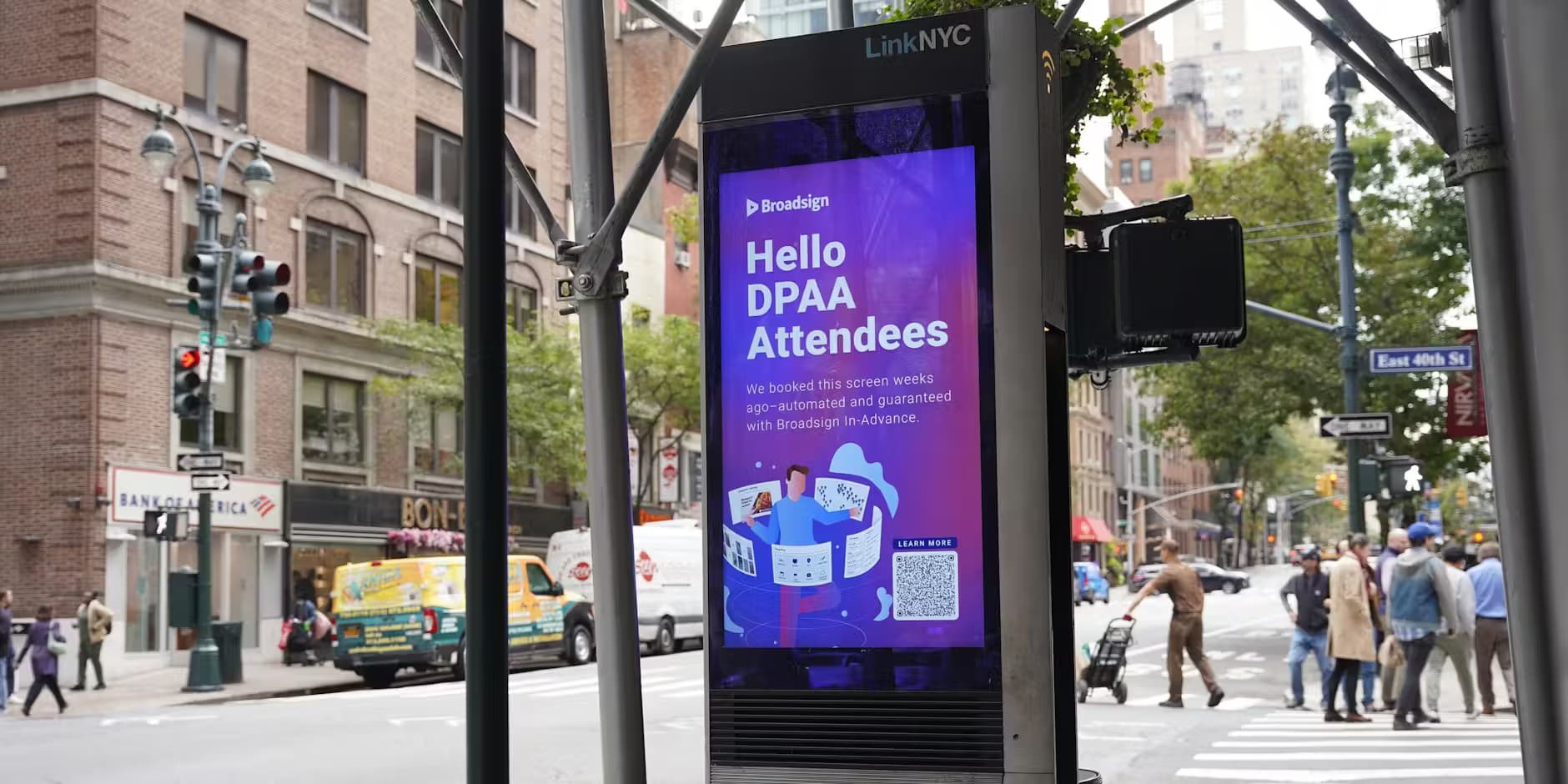
As Adam Kahansky of Broadsign puts it, “It’s all about location.” That’s true in property — and just as true in advertising. The logic is simple: decision-makers are people too. They take the train. They grab coffee. They pass the same billboards, elevator screens and bus shelters every day. And unlike a display ad they scroll past, OOH makes them look up.
Stats back it up. OOH drives brand recall, gets people searching, and often beats digital for attention memory. DOOH (Digital Out Of Home) is now so sophisticated it can trigger dynamic creative in real time — by time of day, traffic flow, or location. That means the ad you see at 8am in King’s Cross might be completely different by 4pm in Canary Wharf.
But the real kicker? Creative. Most B2B ads fall flat on emotion. OOH gives brands permission to be bigger, braver, and bolder — and that’s exactly what gets noticed.
Foresight
OOH isn’t just a media channel. It’s a mindset shift. For B2B brands, it challenges the default of safe formats and passive impressions. It forces you to get clear, get emotional, and get to the point — fast.
As the B2B funnel fragments, high-impact, high-visibility media has a new job to do: tie it all together. That’s where OOH thrives. It builds memory. Sparks curiosity. Creates momentum. And with the right data and location strategy, it doesn’t just reach your audience — it meets them where they already are.
So come say hello, [email protected]